Category: Wealth & Savings

  • RESPs: how the government helps you save for your child’s education

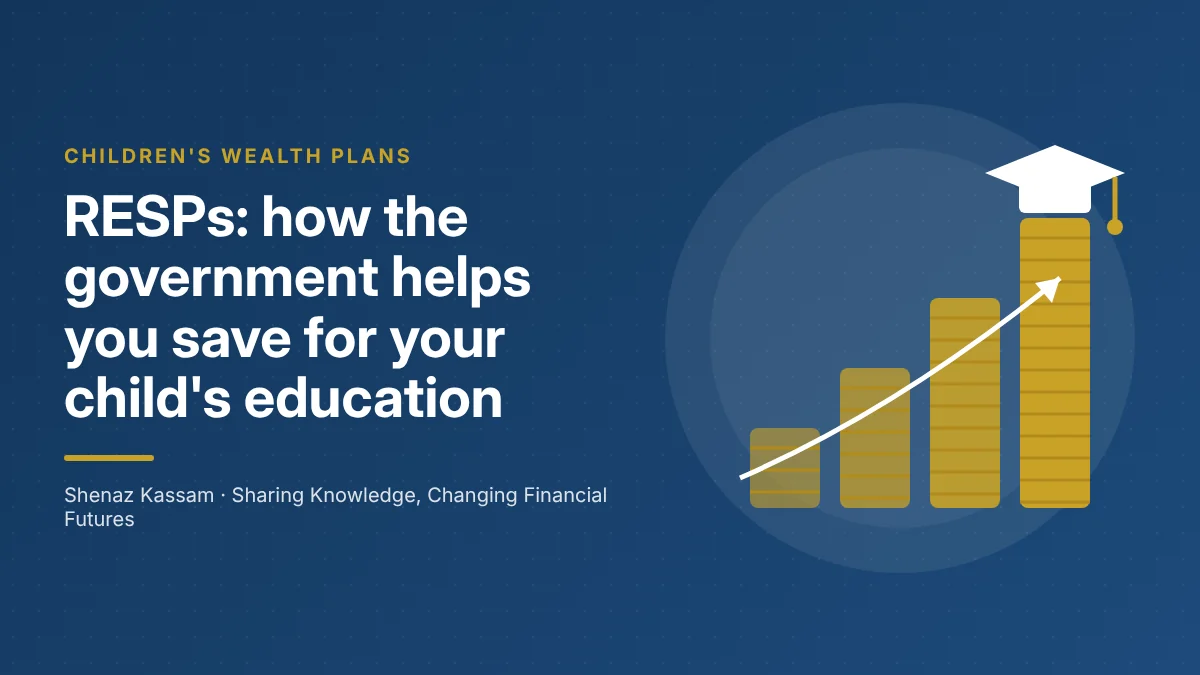
    RESPs: how the government helps you save for your child’s education

    Shenaz began her career in 2012 helping parents save for their children’s education — and the Registered Education Savings Plan (RESP) is still one of the best gifts you can give a child. Why? Because the government adds money to what you save.

    The Canada Education Savings Grant (CESG)

    • The government adds 20% on the first $2,500 you contribute each year — up to $500 per year.
    • Middle- and lower-income families may receive an extra 10% or 20% on the first $500 contributed each year.
    • The lifetime maximum is $7,200 per child.
    • Unused grant room can carry forward, so it is never too late to catch up.

    The Canada Learning Bond (CLB)

    Eligible lower-income families can receive $500 in the first year plus $100 for each eligible year up to age 15 — up to $2,000 — and no contribution is required.

    Getting started

    • Both you and your child need a Social Insurance Number (SIN) to open an RESP.
    • Start early — time is your biggest advantage.
    • Even small, regular contributions qualify for the grant.
    • Some families put part of the Canada Child Benefit into the RESP each month.

    Small steps today, a stronger financial future for your child.

    Let’s talk

    Shenaz can help you open an RESP, apply for the grants and build a plan that fits your budget.

    This article is general information only and is not personal financial, tax, legal or immigration advice. Product features vary by insurer — please speak with Shenaz about your own situation.
  • Small steps today, a stronger financial future

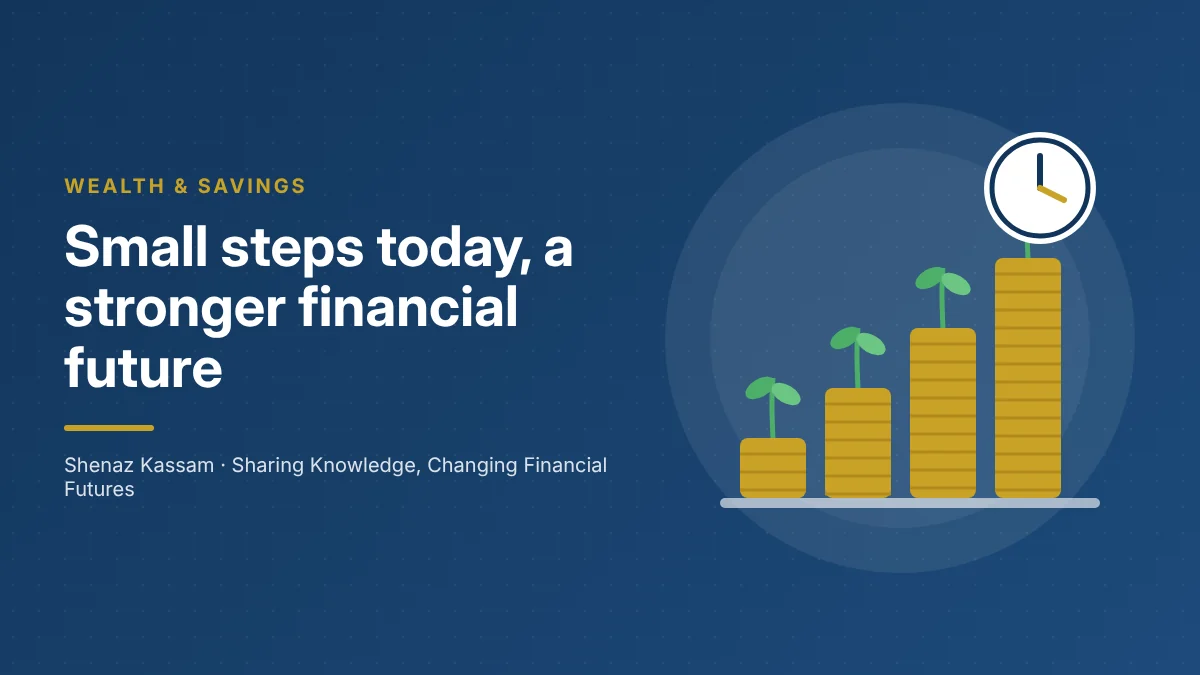
    Small steps today, a stronger financial future

    Many people wait until they “have enough” to start saving. But building wealth is rarely about one big move — it is about small steps, repeated over time.

    Why consistency + time works

    • Compounding: growth starts earning growth of its own. The earlier you start, the more time it has to work.
    • Habit beats timing: regular contributions remove the stress of trying to pick the “perfect” moment.
    • Small amounts add up: a monthly amount you barely notice can become meaningful over 10 or 20 years.

    Simple ways to start

    • Pay yourself first — set up an automatic transfer on payday.
    • Use the right accounts: TFSA, RRSP, and RESP for your children.
    • Protect what you are building with the right insurance, so one unexpected event does not undo years of saving.
    • Review your plan once or twice a year as life changes.

    Small steps today, a stronger financial future. The secret is consistency + time.

    Let’s talk

    Every family is different. Send Shenaz a quick message and she will get back to you personally — no pressure, no obligation.

    This article is general information only and is not personal financial, tax, legal or immigration advice. Product features vary by insurer — please speak with Shenaz about your own situation.

  • TFSA or life insurance? Why it’s not one or the other

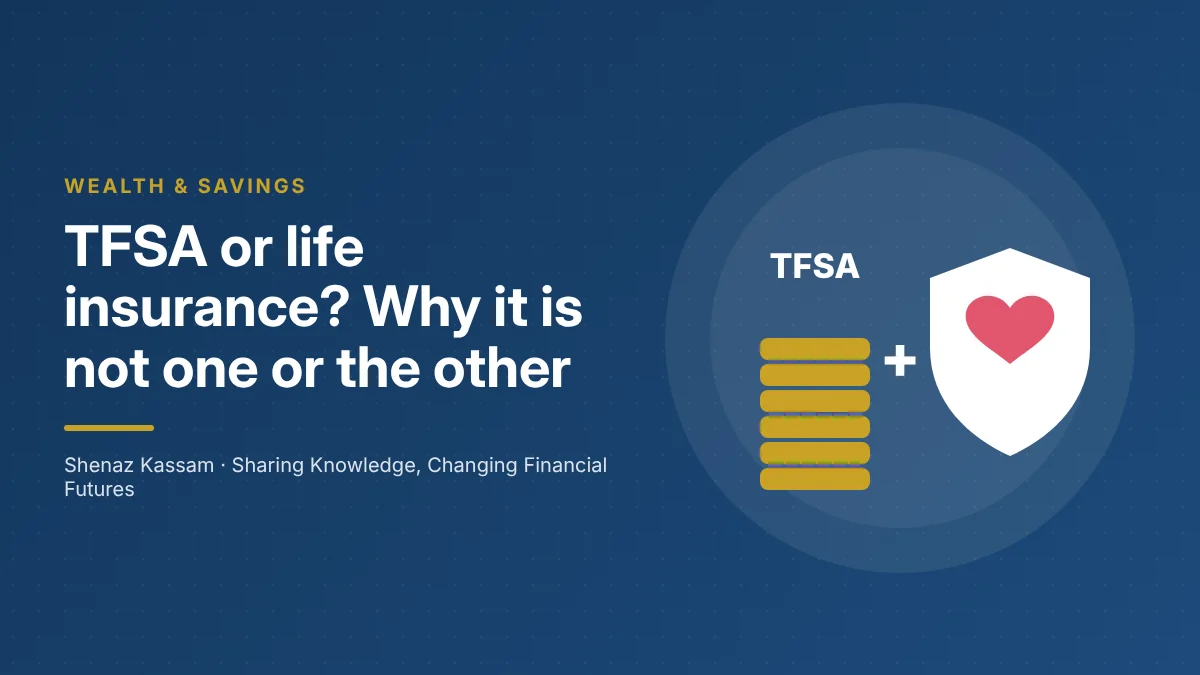
    TFSA or life insurance? Why it’s not one or the other

    A Tax-Free Savings Account (TFSA) can be a great way to save and invest for future goals. But here’s an important question: what happens to the financial plan if life is shorter than expected?

    Savings grow over time. Life insurance is designed to pay a tax-free death benefit to your beneficiaries if you pass away while covered — which can mean a much larger amount for your family, much sooner, than the same monthly amount saved in a TFSA.

    Look at both sides of the equation

    • 💰 Build wealth
    • 🛡️ Protect wealth
    • ❤️ Protect the people who matter most

    It’s not about choosing a TFSA or insurance. It’s about understanding what each one is designed to do — and how they can work together in your plan.

    Let’s talk

    Every family is different. Send Shenaz a quick message and she will get back to you personally to review what you have and find any gaps — no pressure, no obligation.

    Originally shared by Shenaz on LinkedIn. Follow her on Instagram for more tips. This article is general information, not personal financial advice.